
The First States in History
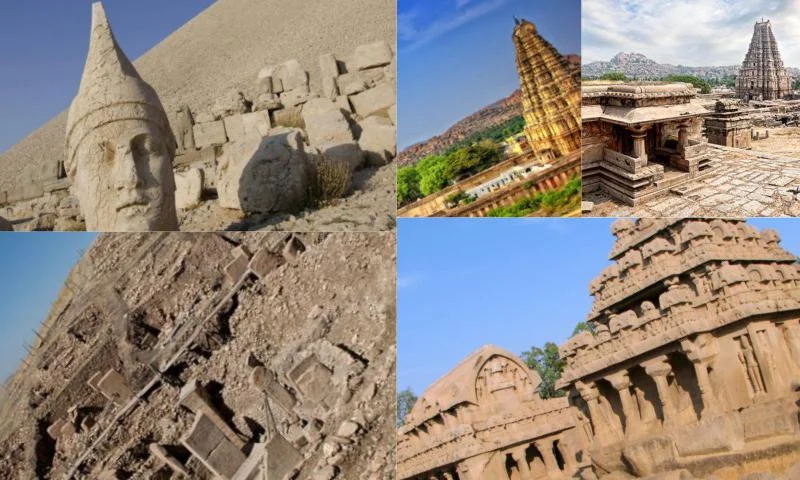
Many states have been founded on Earth throughout history, and these states have sometimes been continuations of each other and sometimes emerged with a new identity. The foundations of the opportunities and interactions we have today were laid by states established centuries ago. The development of these states has been sustained to this day with the knowledge they have passed down.
The Geography of the First States
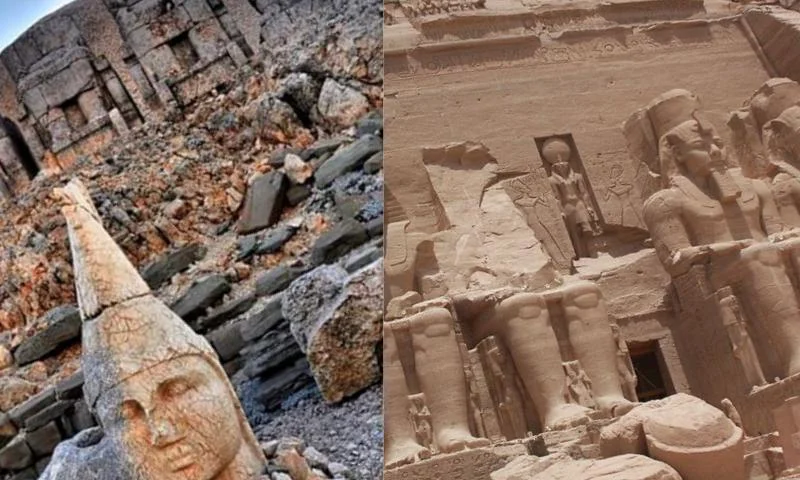
The states that are the ancestors of most of the developments we have today began to be established 5000 years ago in Mesopotamia. Mesopotamia is the name given to the lands located between the Tigris and Euphrates Rivers. To the south of Mesopotamia is the Persian Gulf, to the north are the Southeastern Taurus Mountains, and to the west are the Syrian and Arabian Deserts. The Tigris and Euphrates meet at a point called Kurna and flow into the sea from the Persian Gulf. These lands, located between the two rivers with deserts on their sides, are very fertile. The reason for this is the fertile soils carried by the rivers. There are 5 states founded in this geography. These are; Sumerians, Akkadians, Third Ur Dynasty, Assyria, and Babylon.
Sumerians
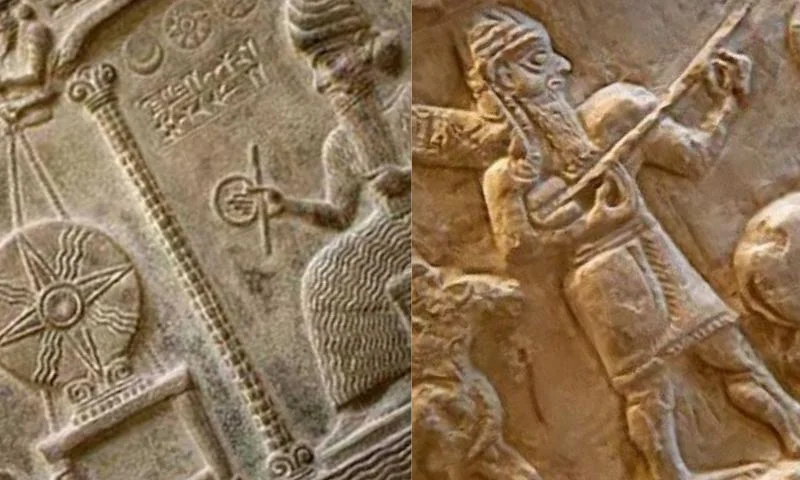
The Sumerians are the precursors of many tribes and states. They laid the foundation for innovations. As is often heard in general knowledge questions, they are the first civilization to use writing. They also made progress in the fields of language, medicine, magic, mythology, astronomy, and mathematics. At that time, there were 35 cities and towns in Mesopotamia. 18 of them were very large. Some of these cities are quite famous for their constructions. The city of Urukagina made the first written reforms. The Sumerians, who also had temples regarding religion, built their first temples in the city of Nippur. For this reason, Nippur was the capital of religion for them. Around 2500 BC, the Sumerians began to decline, and the era of the Akkadians began.
Akkadians
This community, which migrated to Mesopotamia during the Sumerian period, adopted the culture of the region. The people who were pioneers in civilizational development here eventually became the leaders of Mesopotamia. They built the Victory Stele, their greatest legacy. The Akkadians also believed in a polytheistic religion. The Akkadians adopted the concept of a universal kingdom, not a city-state. There are many mythological legends about Sargon, the founder of the Akkadians. According to these events, which are mixed with facts, Sargon fought a total of 34 wars. However, weaknesses in governance emerged over time.
Third Ur Dynasty
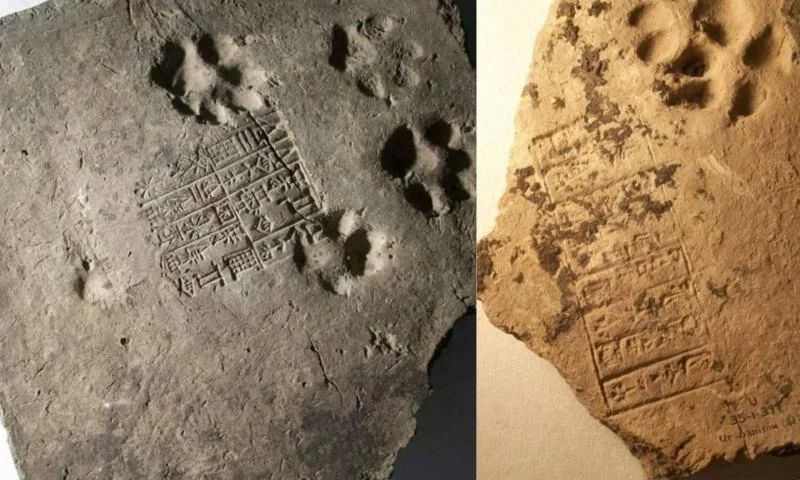
When the Akkadians weakened, the leaders of many communities took over the administration. The most prominent of these communities was the 3rd Ur Dynasty. They were the leaders in Mesopotamia for approximately 100 years. However, this state also weakened over time. It could not withstand the incoming migrations and attacks from surrounding communities. This destroyed state also created a great cultural heritage for Mesopotamia.
Assyria and Babylon
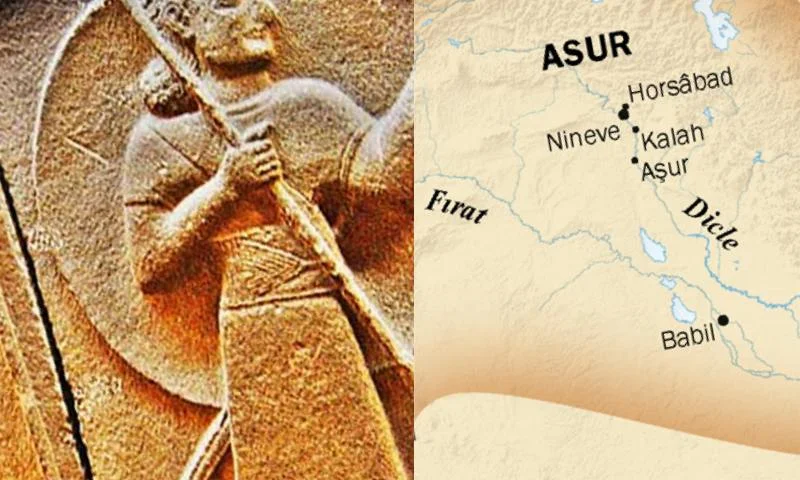
After the fall of the 3rd Ur Dynasty, Assyria emerged as the political power in the north, and Babylon as the center of religion and culture in the south. The Assyrians established a very important trade network in the region. This allowed Mesopotamian culture to spread to wider lands. The arrival of writing to Anatolian lands also occurred during this period thanks to the Assyrian trade network. The other leading state, Babylon, became dominant over other kingdoms with its ruler Hammurabi. The very strict laws set by the ruler at that time are still debated in many places today.





