
Synthetic Rubber and Its Strategic Importance in Modern Industry
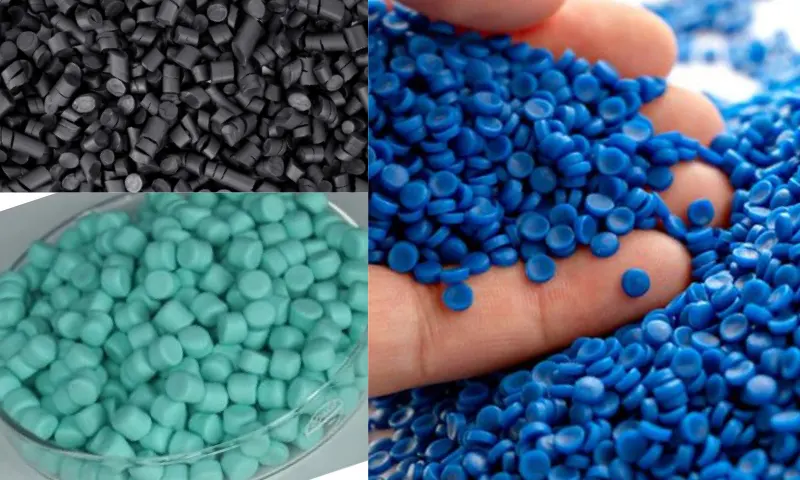
Technical Properties and Advantages of Synthetic Rubber Material
Synthetic rubber, which comes into play where natural resources are insufficient due to developing technology and industrial demands, is an elastomer class produced by artificial polymerization methods and is one of the most strategic raw materials of modern industry. This material, obtained by processing petrochemical derivatives in laboratory and factory environments, can be specially formulated to meet specific technical needs that natural rubber cannot. Quadro Kimya, which professionally manages the global standard supply processes of this strategic material and ensures uninterrupted flow to production lines, increases the global market competitiveness of domestic manufacturers with its high-quality product solutions. You can safely initiate your corporate supply processes by visiting the website https://quadrokimya.com/urunlerimiz/sentetik-kaucuklar/ to examine innovative developments in the sector and access the most suitable product groups for your business. The right raw material strategy directly maximizes the quality and durability of final products in the market while increasing operational efficiency in production lines.
Sustainability and Secure Trade in Synthetic Rubber Supply
The biggest factor highlighting the use of synthetic rubber in engineering applications and modern industrial manufacturing processes is the extraordinary resistance parameters it exhibits according to its chemical structure. With different formulations, varieties that exhibit much higher strength against heat, oil, fuels, ozone, and weather conditions compared to their natural counterparts can be produced. This flexibility allows for the production of components that do not harden or crack even in the most challenging industrial environments, extending the service life of parts working under mechanical stress. In addition, its high resistance to wear and abrasion raises the impact resistance limits of the polymer matrices it is mixed with. The stable character of its chemical structure allows for predictable reactions in the vulcanization processes of final products and the production of standard quality products on mass production lines. In today's manufacturing world, the security of raw material supply and timely procurement from sustainable sources are the most critical factors determining the future growth goals of businesses. These components, which must fully meet specific purity, viscosity, and strength standards to be processed smoothly on factory production lines, must be supported by a professional supply process. Expert suppliers, operating with transparent trade principles and a strong logistics infrastructure, organize a stable raw material flow for manufacturers to ensure uninterrupted production. These qualified raw materials with a stable structure offer consistent processability on mass production lines, making operational success and quality permanent.