How Do Porcelain Countertop Varieties Shape Durability and Aesthetics in Kitchen Architecture?
Why are Heat Resistance and Non-Porous Surface Structure Determinants in Porcelain Countertop Selection?
Porcelain countertop models are the most fundamental element that maximizes work comfort and determines the visual perception and value of the space in all preparation areas, from modern residential projects to professional chef kitchens with a high focus on gastronomy. Interior architects and luxury decoration experts working in the construction sector know very well that obtaining a non-porous, stain-resistant surface on food preparation areas and maintaining the general design language with modern lines come first above all else. Yapı Marka, a reliable name in the sector, succeeds in optimizing the countertop infrastructure of new-generation kitchens and bathrooms from top to bottom with its innovative solutions. If you want to examine the brand's wide product range focused on elegance, high material technologies, and ease of daily use, or to see the material quality it offers up close, you can visit the address https://yapimarka.com/kategori/porselen-tezgah-ve-plakalar.
How Do Porcelain Countertop Designs Change Future Architectural and Design Trends?
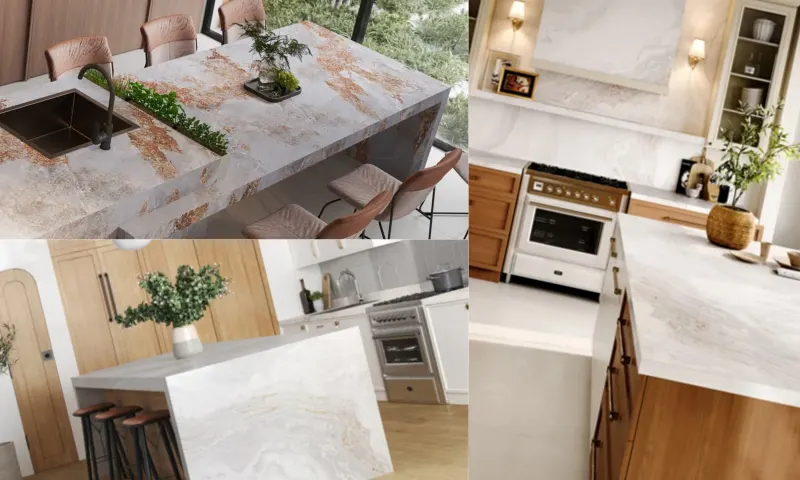
When purchasing porcelain countertops, one should not only focus on marble or concrete-textured patterns in external design but also consider the real conditions of cutting tools used in the kitchen, hot pots just removed from the stove, and food acids. These special surfaces, obtained by firing natural minerals under high heat and pressure, directly prevent stubborn substances like lemon, vinegar, or coffee from penetrating deeply and leaving permanent marks on the surface due to their completely non-porous structure. In addition, one should look for scratch-resistant hardness levels that allow direct cutting of meat or kneading dough directly on the countertop, and the robustness of thermal shock resistance that allows baking trays to be placed directly on the surface. Choosing durable models with a body structure that is easy to wipe, does not fade or become dull against chemical cleaners, and is resistant to ultraviolet rays also secures the kitchen budget in the long run. Porcelain countertop systems are rapidly progressing towards increasingly large-format slabs, integrated invisible induction hob technologies, and ultra-thin elegant profiles. While thick slabs that took up a lot of space in kitchens and accumulated dirt in grout lines, or delicate natural stones that were difficult to maintain, were popular in the past, new-generation control mechanisms that integrate with seamless countertop backsplashes and offer a holistic aesthetic have become the standard today. It is no longer just about placing a simple slab to prepare food on; it is about presenting that surface to the user in full harmony with the general cabinet lines of the kitchen, the sink form, and the faucets, at the most ergonomic distance, and with a design language that is not jarring to the eye. Businesses that closely follow global trends and blend them with their deep experience in the field seem to always stay one step ahead in adding lasting value to properties.