
What are the Transportation Vehicles in International Shipping?
How is Insurance Made in International Shipping Processes?
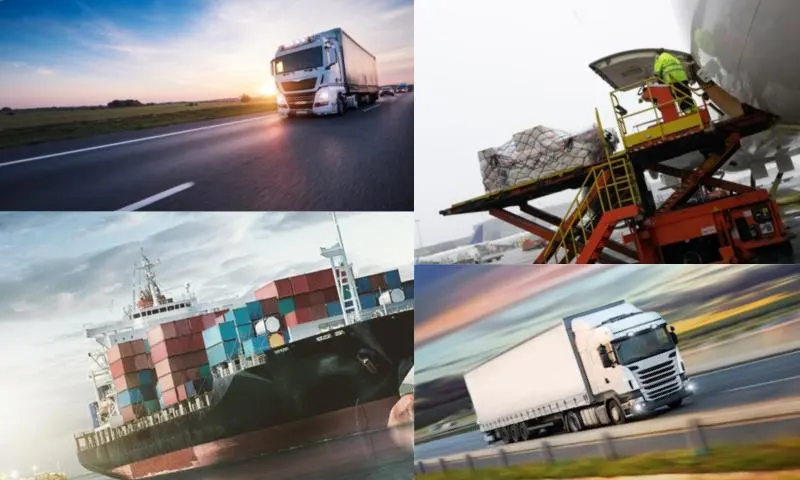
The transportation vehicles used in international shipping processes vary depending on the type, quantity, distance, and mode of transport of the material to be transported. In international maritime transport, container ships and Ro-Ro ships are widely used. Container ships allow materials to be loaded into standardized containers, and containers of different sizes and types are used. Ro-Ro ships operate on the roll-on/roll-off principle, allowing vehicles and materials with height restrictions to be transported. In air transport, cargo planes and cargo containers are used. In road transport, trucks and trains are used. You can visit the web address to get more detailed information about international shipping.
How Important is Sustainability in International Shipping?
In international shipping processes, insurance protects the transported materials against risks such as loss, damage, or theft. Shipping insurance can also be called transportation insurance or cargo insurance. Insurance is valid from the beginning to the end of the transport process and varies depending on the mode of transport, the value of the material being transported, and the transportation conditions. The insurance policy is issued by the transportation company or insurance company and constitutes a contract between the carrier and the consignee. The scope of insurance is determined by the conditions specified in the policy and the premium payments. Insurance limits the carrier's liability and ensures compensation is paid in case of loss or damage to the transported materials. Sustainability in international shipping is an important issue that includes environmental, economic, and social factors. Environmentally, shipping processes can have environmental impacts such as greenhouse gas emissions, air and water pollution. Therefore, environmental impacts should be considered during the selection of transportation modes and transportation planning. Maritime transport produces fewer greenhouse gas emissions than road or air transport. Economically, sustainability means cost-effectiveness. Efficiency can be increased and waste can be reduced in shipping processes, which can lower costs.





