
Fundamentals and Importance of Nanotechnology
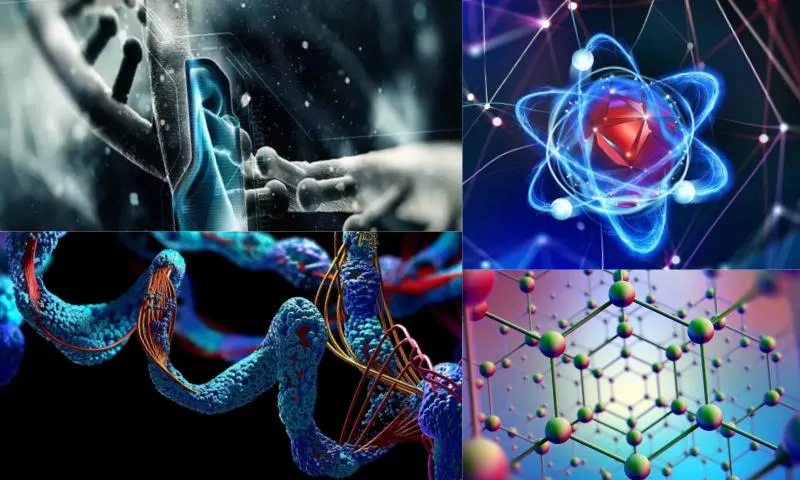
Nanotechnology is the field of science that controls matter at the atomic and molecular level, bestowing new properties and functions. The word ano dquo; means one billionth of a meter; that is, a nanometer (nm) is approximately 80,000 times smaller than a human hair. This technology can alter the structure of materials at the atomic level, making them more durable, lighter, conductive, or reactive. Today, nanotechnology is revolutionizing very different fields such as health, electronics, energy, and the environment. So, where is this small technology used? For information on this topic and to ask questions you are curious about, you can look at related online companies on web pages and examine them in detail from here.
Nanotechnology in Health and Medicine
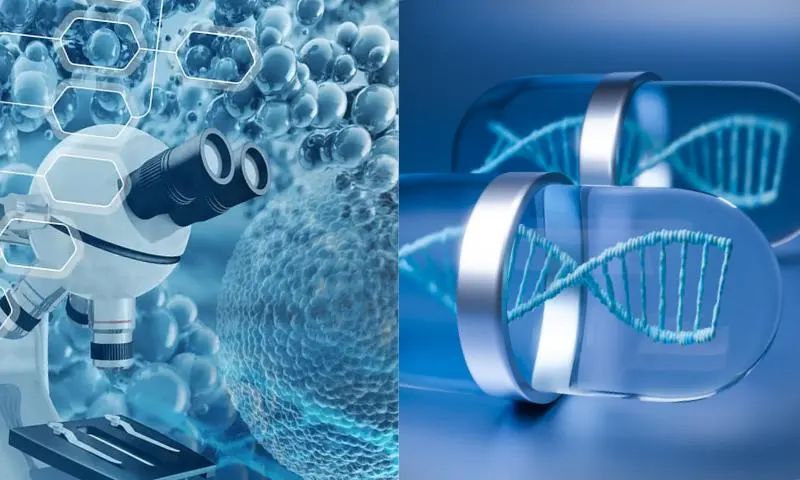
Nanotechnology is providing groundbreaking developments, especially in the health sector. Targeted drug delivery systems used in cancer treatment can reach tumor cells directly thanks to nanoparticles and administer treatment without damaging healthy tissues. This is a great advantage in reducing the side effects of chemotherapy. Furthermore, nanosensors are used in the early diagnosis of diseases, opening new doors in the fields of artificial organs created with biomaterials and tissue engineering. The use of nanotechnology is also increasing in vaccine technology and DNA analysis. Research on nanorobots will enable micro-level treatment applications by performing tasks inside the body in the future. These developments offer more effective methods in the prevention and treatment of diseases in the health field.
Nano Scale in Electronics and Information Technologies
In the electronics sector, nanotechnology plays a critical role in the production of smaller and more powerful devices. Reducing the size of microchips increases the speed and capacity of computers and phones. Nanomaterials enable the development of flexible electronic devices, wearable technologies, and smart sensors. Materials such as nanotubes, nano-semiconductors, and carbon nanotubes form the basis of electronic components with high energy efficiency and increased performance. This way, the electronic devices we use in daily life become more durable, faster, and have a longer battery life. In addition, nano-scale developments in data storage technologies ensure faster and more secure information storage.
Nanotechnology in Energy and Environmental Applications
In the energy field, nanotechnology is used to increase the efficiency of solar panels and develop more effective energy storage systems. Batteries produced with nanomaterials are lighter, more durable, and can be charged quickly. At the same time, the positive effects of nanotechnology on hydrogen energy production and fuel cells are being researched. In environmental technologies, nanofilters play a major role in water purification. It is possible to obtain clean water thanks to nanomaterials that can trap pollutants more effectively. Nanocoatings and catalysts that reduce air pollution also hold promise for a sustainable environment. Nanotechnology is a powerful field of science that directly touches our daily lives and shapes the future. It continues to improve our quality of life with the innovations it creates in many sectors, especially health, electronics, and energy. This tiny technology is actually a giant leap for humanity!





