What is Assembly and How is it Done
What is an Ozalid Proof
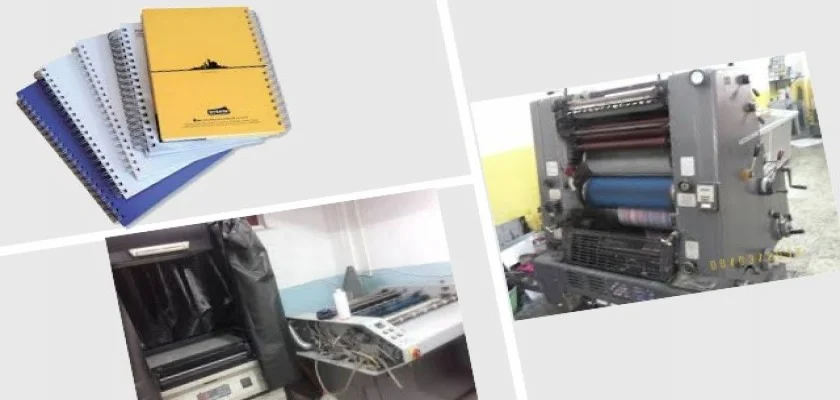
In offset printing, printing is done on standard-sized sheets of paper, not page by page as in books. Various systems are applied in these stages, and when these sheet papers are folded in the most suitable ways, consecutively numbered pages are quickly produced. At this point, the most commonly used unit of measurement is the 'forma', which consists of 16 pages. Planning and cost calculations for numerous processing steps are always made based on 'formas'. In assembly processes, it involves sticking the films of the jobs to be printed onto a transparent sheet called an 'astralux', arranged according to the 'forma' layout. If the jobs to be printed are two-colored, two separate assemblies are needed; for trichromic printing, 4 assemblies are definitely required. In all processes where assemblies are completed, ozalid papers are prepared, exposed, and printed with ammonia vapor, serving as the final and most effective check before printing.
What is a Plate
After the necessary assembly processes, the final step is to perform the required exposure operations on metal plates whose surfaces have been made light-sensitive. With the development of the printing industry, the commonly used offset printing plates are also called 'ozasol' and 'tif'. After the metal images are transferred to the printing plates with the help of specific lights during assembly, they must undergo certain chemical and necessary treatments. Once these processes are completed, they are prepared for printing with special printing plates. However, these operations must always be performed by expert and experienced individuals. In printing assembly processes, the job is transferred to ozalid papers, and the ozalid papers must be folded according to the 'forma' layouts. At this point, the general aim is to perform a final check of the jobs before plate exposure, to quickly determine if the page numbers follow each other, and to reduce the risk of errors. These are among the essential steps.