
What is a Module Crate?
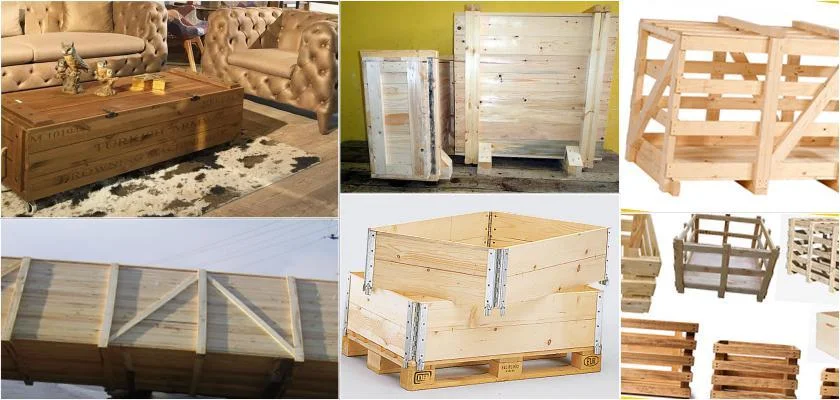
All kinds of standard and non-standard crates are produced. These crates are designed differently depending on the carrying product, the method of transport, and the distance. Accordingly, they are divided into sections such as open, closed, wire, and plywood crates. The loads that open crates will carry are light, while the loads that closed crates will carry are heavy. They are frequently used, especially in road transport and container transport. They are more durable than wooden pallet models and can carry heavier loads. Wire crates are crates that can be opened and closed very easily and frequently. They are generally used in domestic service transportation. Plywood crates are one of the effective materials frequently used in humid environments and for products that will travel by sea.
Where Are Module Crates Used?
These crate models are very similar to wooden pallet products and are the most suitable pallet models with high carrying capacity, especially for use in humid areas. Thanks to their light colors, they can also be used decoratively and for creative interior design applications by applying various colored or colorless varnishes. Because the wood composite panels used in the manufacture of module crates have their veneer layers glued crosswise to each other in each layer, their surface strength provides extremely strong service. At the same time, in terms of strength, they have even higher values than solid wood models.
What to Know About Module Crates?
Because they are a mix of trees specially grown for these products, their ability to hold nails is much higher at the corners. Accordingly, cracking or breaking does not occur in any way. Due to the phenolic formaldehyde resin used in the wood panel used in the manufacture of module crates, they do not produce bacteria in any way, nor do they harbor worms or pests. Due to their decorative surface structures, they can be used very easily in visual applications and exhibit modern and classic elements together with their different original structures. The production of these panels is carried out in the most effective way using advanced technology with great care in the design and testing stages.





