
PLC Programming Techniques
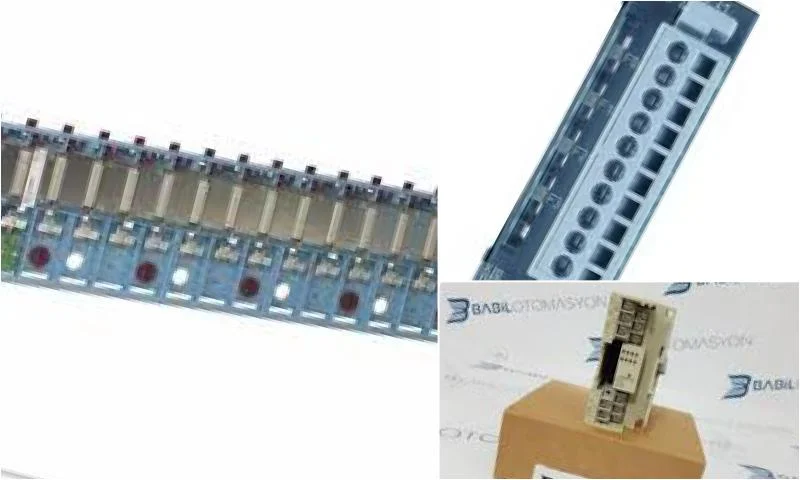
Programmable Logic Controller (PLC)
The PLC can be explained as a programmable logic control system. The term, an abbreviation of Programmable Logic Controller, entered our lives with the concept of industrial automation. In its simplest terms, you can find detailed information about PLCs and membrane keypads, which enable tasks done by human power to be done by machines, on the page.
Areas of Use
It is a device that controls all kinds of machinery that contribute to production in factories. This device, which controls machines such as robots, conveyor belts, and pneumatic equipment used in the production line, is a type of computer. Designed differently from the computers we know, this device does not have a mouse, keyboard, or screen. Instead, it has input and output sections. The device processes the data it receives from sensors connected to the input according to its own logic and transmits this data to the working element through output elements. Thus, self-control is provided at every stage of industrial production, and production takes place without the need for human labor. PLCs, used in all sectors of industry, are generally used for sequence control, motion control, process supervision, and data management. PLCs are used in ventilation and cooling systems, packaging and canning, transportation systems, the automotive industry, oil filling and washing stations, the cement industry, air conditioning and elevator systems, manufacturing, agriculture, textiles, and all kinds of machinery and robotics. You can get information about the device's operating principles and membrane keypads by contacting babilotomasyon.com.





