
Considerations in Poultry Slaughter
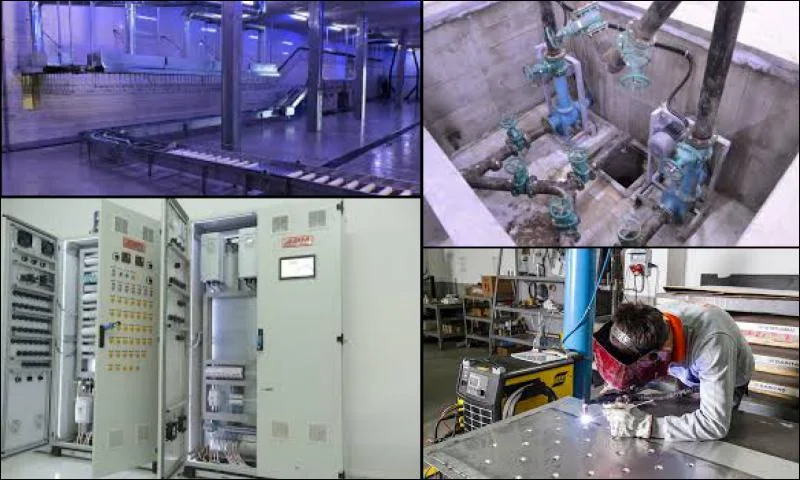
Poultry Slaughter Process
The steady growth of the white meat sector and the parallel increase in production capacity necessitate faster and more efficient machines in slaughterhouses. Technological advancements continue to manifest themselves in slaughterhouses, as in all other areas. The importance of hygiene is undeniable in white meat production, where automatic cutting machines, chicken plucking machines, and many other different machines are used. Therefore, it is necessary to ensure that the equipment used in slaughterhouses is clean and hygienic. You can visit the page to get information about machine types.
How Does a Plucking Machine Work?
Poultry should be transported from farms to slaughterhouses in special cages. As these cages are specially designed to prevent harm to the animals and ensure their healthy transportation, they prevent animal loss due to stress before the slaughter process. The pre-cleaning of animals brought to the slaughter center must be done. Because slaughtering with muddy, excrement-covered feathers negatively affects the quality of the meat. To prevent animals from experiencing stress in an automated environment, they should not be kept hanging for too long before the stunning process. The animal should spend a maximum of 1-1.5 minutes between the hanger and the slaughter machine. Bleeding must be performed, and then after the birds are placed in the feather scalding machine and their feathers have softened sufficiently, their feathers should be plucked with a chicken plucking machine. One of the most laborious stages of poultry slaughter is the feather plucking process. You can visit the alberkmakine.com page to get information about plucking machines produced for fast and efficient feather removal.





