
Gastric Bypass Surgery: When is it Not Recommended?
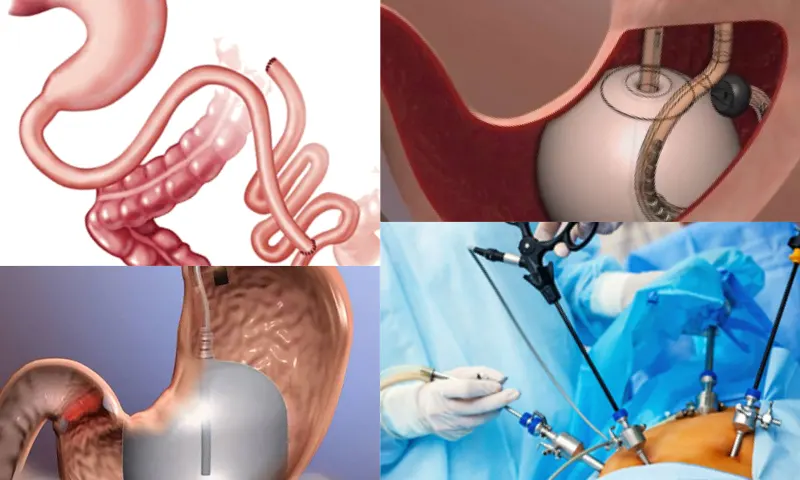
Gastric Bypass Surgery: When is it Not Recommended?
Gastric bypass surgery is recommended for obese patients with a body mass index of 40 and above, or those with a BMI over 35 who suffer from serious health problems. However, in some cases, this surgery is not recommended. This procedure may not be suitable for individuals with serious psychiatric illnesses, those with alcohol or substance addiction, or people who are unable to sustain the necessary lifestyle changes after surgery. For patients with untreated stomach or intestinal disorders, advanced conditions such as cancer, or those planning pregnancy, the surgery is postponed. If the patient's general health condition is at a level that increases the risks of surgery, gastric bypass may also not be advised. For detailed information about gastric bypass surgery, you can visit the website https://www.docdrekenhuseyin.com/gastrik-bypass.
Is Vitamin and Mineral Supplementation Necessary After Gastric Bypass Surgery?
After gastric bypass surgery, due to the reduction in stomach volume and partial bypassing of the intestines, there is a decrease in nutrient absorption. This can lead to deficiencies in important vitamins and minerals, particularly iron, vitamin B12, folic acid, calcium, and vitamin D. To prevent deficiencies, it is recommended to provide regular vitamin and mineral supplementation to these patients. These supplements are vital, especially in the first few years, for maintaining a healthy life and preventing post-operative complications.
Which Activities are Recommended After Gastric Bypass?
In the post-gastric bypass surgery period, physical activity is very important both to support weight loss and to prevent muscle loss. In the early stages, light exercises such as short walks are recommended. Over time, exercises can be increased in accordance with the recommendations of the doctor and physiotherapist. Exercises such as swimming, cycling, and low-intensity aerobics allow for calorie burning without putting excessive strain on the body. These activities not only support physical health but also provide positive psychological effects.





