
What Materials Are Used in the Production of Sew-on Labels?
How Should Sew-on Labels Be Maintained?
Sew-on labels are a type of label designed to be sewn onto fabric or textile products. These labels can be easily sewn onto the collar or inside of products and are permanently attached. Sew-on labels can be prepared with different production techniques and materials. The most commonly used materials in the production of sew-on labels are durable fabrics such as satin, cotton, or polyester. These materials ensure that the label is not damaged throughout the product's lifespan. Special printing techniques or embroidery can be applied to these fabrics. For detailed information about sew-on labels, you can visit the website https://labelgo.net/fr/product/etiquette-de-taille/.
What Are the Areas of Use for Sew-on Labels?
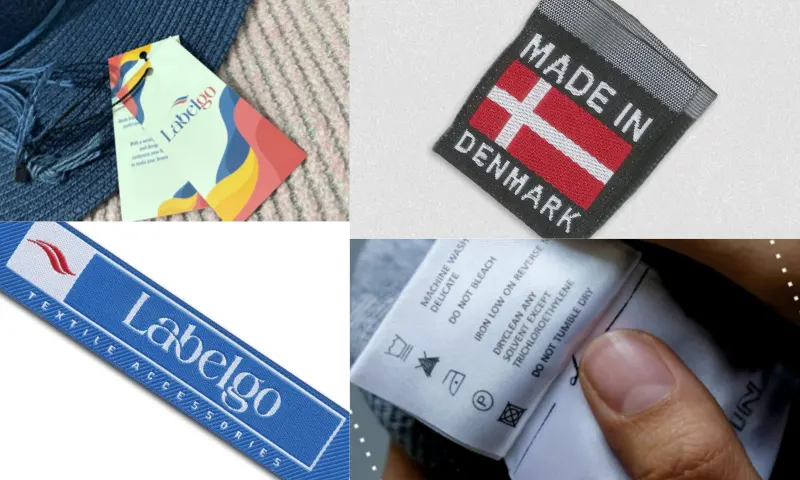
Proper maintenance of sew-on labels is important for the longevity of the label and the product. Since sew-on labels are made of fabric or similar materials, correct washing and usage conditions prevent the label from being damaged. During washing, the product's label should be protected from excessively hot water or harsh chemicals. Washing in warm water between 30-40 degrees Celsius preserves the label's form. Bleach or harsh detergents should not be used. During ironing, direct high heat should not be applied to the label. Ironing should be done at a low temperature or by placing a cloth over the label. This way, the embroidery or print on the label will not be damaged. Sew-on labels are a very common type of label, especially in the textile industry. They are sewn onto products such as clothing, bags, and shoes to be permanently attached. These labels are used to promote the brand and display product information. Sew-on labels can include not only the brand logo but also important details such as care instructions, place of production, and material information. This way, consumers can use the product correctly and ensure its longevity.





