
What is CMC Hv Used For?
What are the Environmental Impacts of Cmc Hv?
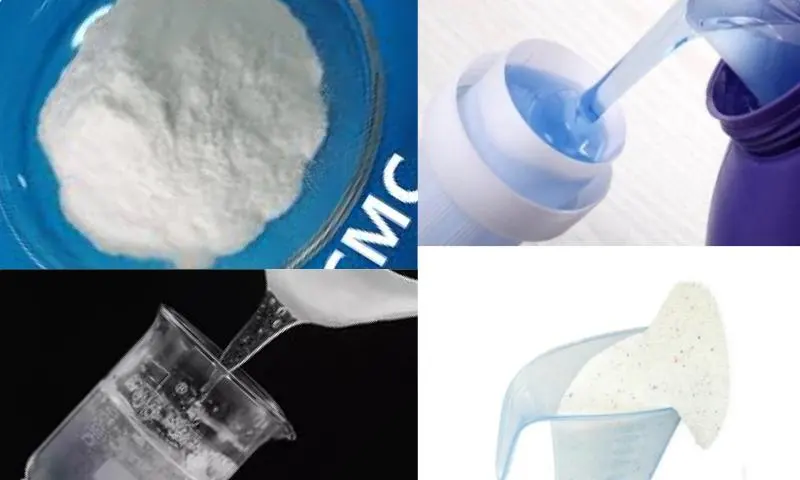
The term Cmc hv refers to high-viscosity CMC forms, and these types of CMC are widely used, especially in food, pharmaceutical, and industrial applications. High-viscosity CMC is used to increase the consistency of liquids, ensure emulsion stability, and improve the flow properties of products. In the food sector, it acts as a thickener in products such as sauces, gels, and ice cream. In the pharmaceutical field, it plays an important role as a binder for tablets and a stabilizer for liquid medicines. One of the biggest advantages of Cmc hv is its resistance to various pH values. This makes it an ideal ingredient for different formulations. For detailed information about CMC Hv, you can visit the web address https://aciselsan.com.tr/urunlerimiz/sondaj/.
What are the Advantages of Cmc Hv?
The environmental impacts of Cmc hv depend on the sustainability of the raw materials used. As a natural polymer, CMC is biodegradable as it is derived from plant sources. This makes CMC an environmentally friendly alternative. However, the chemicals used during the production processes and energy consumption can increase environmental impacts. To reduce the environmental impacts of CMC usage, the development of sustainable agricultural methods and environmentally friendly production techniques is necessary. Promoting recycling processes will be an important step in reducing the environmental footprint of CMC. One of the most important advantages of Cmc hv is that it is user-friendly. Its easy dissolution in water saves time and cost during processing. It improves the quality of products with the high viscosity it provides. Because Cmc hv is a natural substance, it can be used safely in the food and pharmaceutical industries. Its low toxicity and biodegradability make it an environmentally friendly alternative. Cmc hv helps extend the shelf life of products while also allowing users to choose healthy and sustainable options.





