
What are the Properties of BR544 Synthetic Rubber?
In Which Applications is BR544 Used?
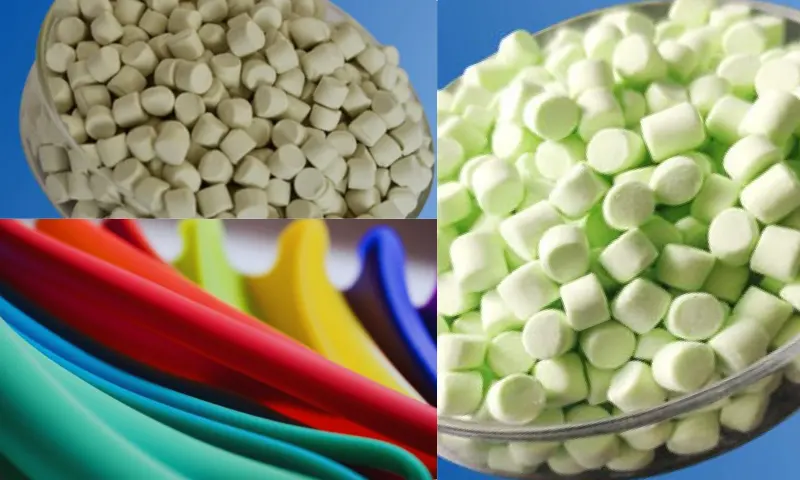
BR544 synthetic rubber is a type of polymer that stands out for its high elasticity and impact resistance. This type of rubber is preferred especially for its tensile strength, low-temperature flexibility, and performance against abrasion. Due to its similarity to isoprene structure, it can be used as an alternative to natural rubber. One of its most notable features is its long-lasting performance, maintaining its structure even at low temperatures. At the same time, BR544, which also has strong chemical resistance, offers flexible solutions in many different sectors. Its high rebound property significantly enhances its ability to absorb impacts. You can visit the web address https://quadrokimya.com/urunlerimiz/sentetik-kaucuklar/ for detailed information about BR544.
What are the Main Differences Between BR544 and SBR1502?
BR544 has a wide range of applications, from the automotive industry to shoe soles. It is frequently preferred in tire production because it has excellent impact absorption capacity. In the shoe industry, it is used to enhance walking comfort. Due to its flexibility, it is also used in the production of gaskets and insulation parts used in electrical appliances. In the toy industry, this synthetic rubber comes to the forefront in products requiring a flexible yet durable structure. Although BR544 and SBR1502 both belong to the synthetic rubber family, they excel in different performance areas. BR544 is more known for its elasticity and low-temperature behavior, while SBR1502 is recognized for its high abrasion resistance and strength properties. BR544 is more advantageous in terms of impact absorption and flexibility, thus it is more commonly used in tire sidewalls or shoe soles. SBR1502 is more preferred in tread surfaces and high-friction areas. In terms of color difference, SBR1502 can be produced in lighter colors, while BR544 has a more opaque structure. In terms of processability, BR544 incorporates easier into mixes, whereas SBR1502 is suitable for processing at higher temperatures.





