
The Importance of Recycling
What is Recycling?
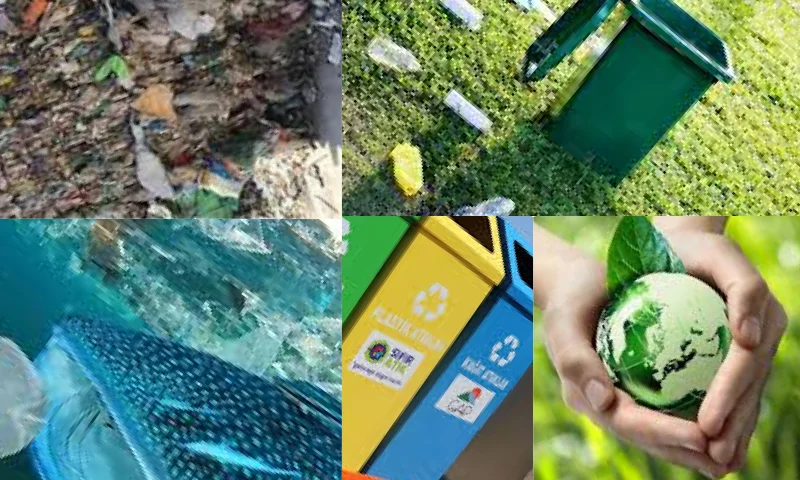
Materials that are no longer used and pose a threat to nature, originating from production or consumption, are classified as waste, and these materials must be collected correctly at their source and reintroduced into the national economy through recycling. Almost everything we see around us has the property of being recyclable. Everything from paper waste to glass waste, scrap metals like iron, copper, zinc, tin, to cola and beverage cans must be recycled. You can get information from companies on related websites. Recycling is the collection and reprocessing of discarded, unusable materials to turn them back into raw materials. Thanks to this cycle, it is possible to produce without depleting the world's resources. Dozens of trees are cut down for the books, newspapers, and notebooks we use, and it takes a very long time for new trees to grow in place of those cut down. Therefore, all waste that can be recycled must be collected and placed in recycling bins. This practice, which is also important for the national economy, makes it possible to protect the world, the environment, and human health.
Benefits of Recycling for the Environment and Human Health
Recycling primarily prevents the depletion of natural resources. The collection and processing of solid waste under appropriate conditions prevent environmental pollution caused by solid waste scattered in the environment. It contributes a significant amount to the national economy. It reduces greenhouse gas emissions generated by waste. Household waste can be recycled through composting and used to make the soil fertile, leading to the production of more organic products. The reuse of metals called scrap is important for meeting the need for raw materials arising from production. You can get information from companies on related websites.





