
The Basic Stages of Tea Production and the Agricultural Process
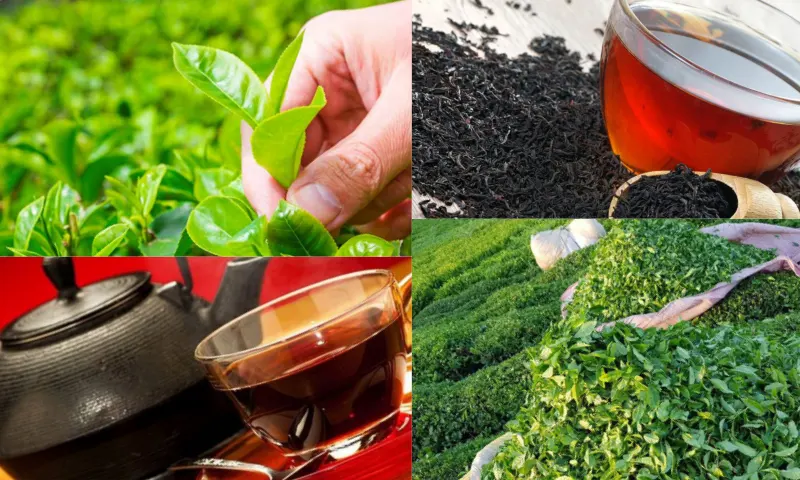
Tea production involves the commercial cultivation and processing of tea, a beverage obtained from the leaves of the tea plant called Camellia sinensis. The tea plant generally grows in tropical and subtropical climates. Tea production usually takes place in agricultural areas and involves a series of basic stages. First, tea seedlings are planted in a suitable soil environment, and appropriate conditions are provided for their growth. Then, tea gardens are regularly pruned and maintained. The young shoots of the tea plant are carefully harvested. The harvested tea leaves are sent to processing facilities to begin the tea production process. To get information on this subject and ask your questions, you can look at the relevant online companies on the internet pages and examine them in detail from here.
Tea Processing and Fermentation Stages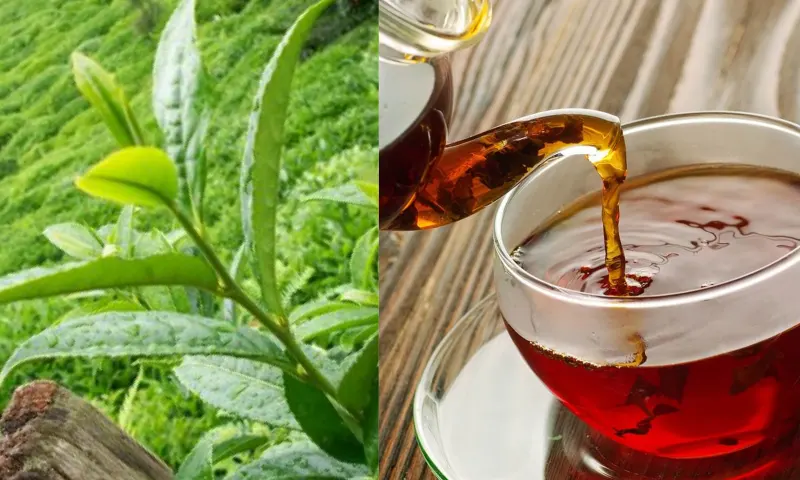
Tea production continues with the processing of harvested leaves. The processing stages generally vary depending on the production of different types of tea such as black tea, green tea, oolong tea, or white tea. In the production of black tea, harvested leaves are first withered, then rolled, and then left to ferment. The fermentation process is an important factor that determines the color, taste, and aroma of the tea. In the production of green tea, the leaves are immediately steamed and then dried, so there is no fermentation stage. These different processing methods determine the characteristics of the tea and result in different flavor profiles.
Current Developments and Sustainability in the Tea Industry
The tea industry has kept pace with technological and agricultural developments over time. In particular, advances in methods used in tea cultivation, such as fertilization, irrigation, and pest control, have increased productivity and quality. Furthermore, sustainable agricultural practices are increasingly being adopted in tea production to minimize environmental impacts and provide social benefits to communities. Providing training and support to farmers, promoting organic farming practices, and respecting workers' rights are among the steps taken by the tea industry towards sustainability. Developments in agriculture, processing, and sustainability are shaping the tea industry and promoting the production of higher quality and environmentally responsible tea.





