
Heat Exchanger Plate
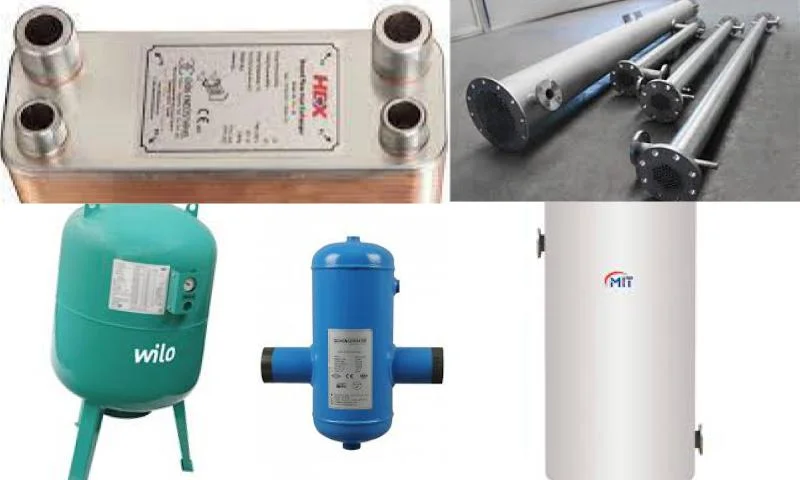
Applications of Heat Exchanger Plates
Plate heat exchangers are simply called plate-to-plate heat exchangers. A plate heat exchanger is a device that cools or heats a system by circulating channels on a metal plate, providing heat transfer between two fluids, whether the same or different. Plate heat exchangers are used to achieve heat gain and increase system efficiency. Limescale or oxides should be cleaned with a soft brush and a 25% nitrate solution. Organic residues should be washed at 50 degrees with a soft brush containing 2% caustic soda. Petroleum should be used for oily residues. After washing, rinse thoroughly with water. You can find the information you are curious about on the site https://www.vefaheat.com/esanjorler/.
How to Clean Heat Exchanger Plates?
The heat exchanger plate circulates without mixing and transfers heat to each other.
- Primary circuit
- Secondary circuit
There are two separate circuits.
Plate heat exchangers have a wider application area than shell and tube heat exchangers in terms of efficiency and cost. In fact, they have put an end to the use of tubular heat exchangers in many places. Plate heat exchangers, which were previously used in the food industry, are now widely used in many applications. Plate heat exchangers are used in automotive, civil engineering, industrial, pharmaceutical, food, chemical processing, and special applications. Furthermore, the plate heat exchanger, with its ergonomic design, safety, and quality, offers an excellent heat transfer solution. The heat exchanger plate does not get dirty in a short time. However, it will need to be cleaned after a while. In this case, there is no need for any technical team. Companies can solve this problem with their own personnel. It is important not to use steel or carbon brushes to clean the plate heat exchanger. Spray water onto the heat transfer surface and scrub with a nylon brush. Care should be taken not to damage the gasket.





