
Children's Sunglasses and the Importance of Eye Health at an Early Age
What Technical Features Should Be Considered When Choosing Children's Sunglasses?
While considering our children's future, we pay great attention to every detail, from their education to their nutrition. However, there is a critical health factor that is often overlooked: protecting their eyes from ultraviolet rays. Children's eye lenses are much more permeable than those of adults, which allows harmful sunlight to reach the retina directly. Therefore, incorporating the right protective accessories into their lives from an early age directly determines their eye quality in adulthood. Ck Optik, catering to all age groups with reliable optical solutions, brings together the trendiest alternatives suitable for the delicate anatomy of children and providing maximum protection at https://www.ckoptik.com/cocuk-gunes-gozlugu.
The Role of Material Flexibility and Comfort in Children's Sunglasses Models
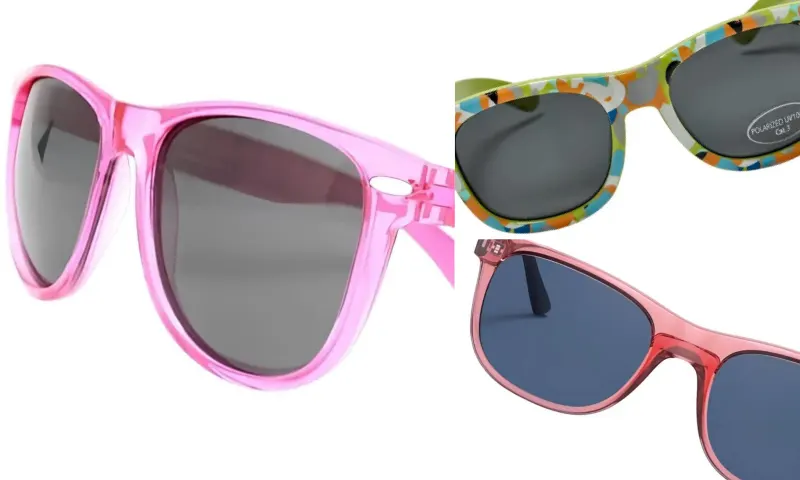
When purchasing children's sunglasses, one should absolutely avoid low-quality, toy-like products that are merely colored lenses. Low-quality dark lenses cause the pupil to dilate, allowing more harmful UV rays to enter the eye and laying the foundation for serious problems such as cataracts at an early age. In this regard, the first feature parents should look for is certification proving that the lenses have 100% UV400 protection. Additionally, polycarbonate lens technology, which is extra resistant to impacts, creates a complete safety net by minimizing the risks of breakage and cracking that can occur during play. Another important factor is not to disrupt the comfort of children who run and play outdoors, in the park, or by the sea. The product chosen should have an anti-reflective coating, which refracts light reflections coming from behind and the sides, clarifying the child's field of vision and preventing unnecessary strain on their eye muscles. When it comes to children's sunglasses, it is not enough for the product to be technically protective; it must also fully adapt to their active nature. Rigid, hard, and brittle plastic frames should absolutely not be preferred as they can harm children's faces in case of a fall or impact. Instead, opting for designs with flexible, unbreakable when bent, and anti-allergenic silicone or organic acetate frames that do not harm the skin is the most sensible investment. Lightness is the biggest factor in children adopting this protective habit. Ergonomic models that do not press behind the ears, do not weigh down the bridge of the nose, and gently hug the face allow children to forget they are wearing them and move freely all day long. As parents, if we continue to provide protection even on cloudy days, not just limiting this choice to the summer months, we instill in our children a great health awareness that they will carry for a lifetime.





