
What is the Place of Turkish Pişmaniye in Turkish Cuisine?
What are the Main Ingredients of Turkish Pişmaniye?
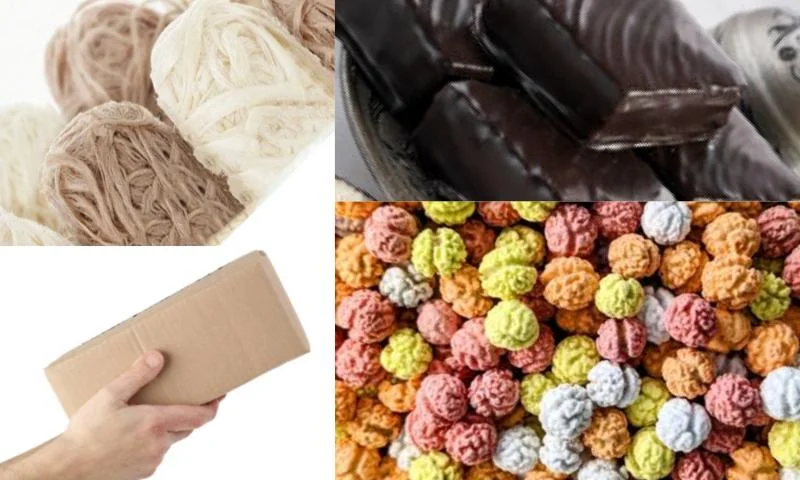
Turkish Pişmaniye represents an important part of Turkish culture with both its flavor and historical texture, being one of the traditional desserts of Turkish cuisine. Pişmaniye is a dessert prepared by carefully blending basic ingredients such as sugar, flour, butter, and sesame. The history of Turkish Pişmaniye dates back a long time. It is known as a delicacy prepared on special occasions in the palace cuisine during the Ottoman Empire period. Later, Pişmaniye gained popularity among the public and has become easily available in dessert shops and markets throughout Turkey today. You can visit the web address https://www.grandbazaarinturkey.com/product-category/turkish-pismaniye/ to buy Turkish Pişmaniye.
What are the Varieties of Turkish Pişmaniye in Different Regions?
The preparation of Turkish Pişmaniye involves a unique process. Flour and butter are thoroughly mixed over low heat. Sugar is added to this mixture, and it is continuously stirred until it caramelizes. Finally, sesame is added, and the mixture is pulled extensively according to a special technique. Then, these fine threads are tightly brought together to form Pişmaniye. Varieties of Turkish Pişmaniye can be found with different flavors in different regions. For example, Antep Pişmaniyesi contains more sesame, while İzmir Pişmaniyesi has a lighter texture like cotton candy. There are also varieties of Pişmaniye decorated with colorful candies. Pişmaniye is important not only as a dessert but also as a part of Turkish culture. Especially in tourist areas, there are workshops that produce handmade Pişmaniye, and it is popular as a special gift option for tourists. Turkish Pişmaniye is a delicacy that is enjoyed by both dessert lovers and those who want to experience Turkish culture. Reflecting the richness of Turkish cuisine with its traditional preparation process and various flavors, Pişmaniye offers an unforgettable dessert experience and represents a delicious aspect of Turkish culture.





