
What is Organic Food? The Fundamentals of Natural Production

Organic food refers to natural nutrients obtained without the use of chemical fertilizers, pesticides, hormones, or genetically modified organisms in the production process. These products are produced using agricultural methods that preserve soil fertility and do not harm the environment. The primary reason for the popularity of organic food in recent years is the increase in healthy living trends and people's desire to turn towards natural products. Organic foods, whose every step from production to packaging is controlled by certification processes, aim to offer safe and quality nutrition to the consumer. Therefore, paying attention to the presence of certifications on the package when choosing organic products is very important for the right choice. You can examine relevant online companies on their web pages to get information on this subject and ask your questions.
Health Benefits of Organic Food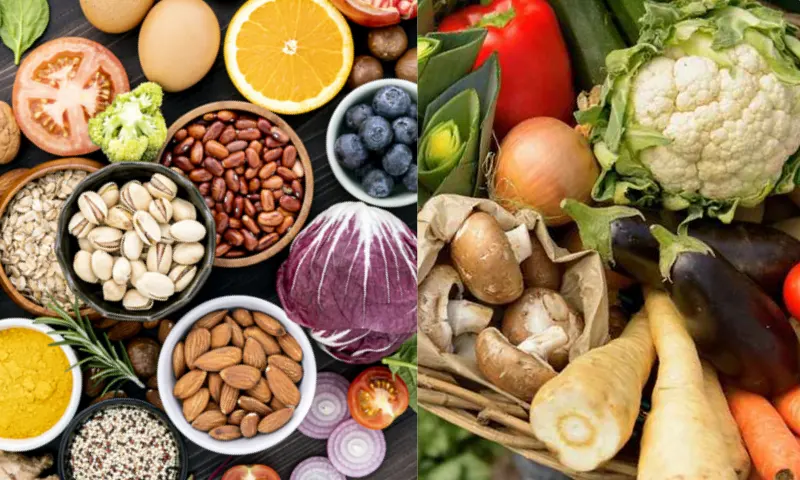
One of the most important advantages of organic foods is that they do not contain chemical residues. These products, which are not exposed to chemical drugs, are considered safer, especially for children, pregnant women, and sensitive individuals. Also, some studies have shown that organic fruits and vegetables may be richer in antioxidants. A high antioxidant content supports the immune system, contributes to cell renewal, and protects the body against toxins. Organic meat and dairy products, obtained from naturally fed animals, may also have higher omega-3 values. This offers an important benefit for cardiovascular health. Consuming organic food also helps to establish a more balanced eating routine in the long term.
What to Consider When Choosing Organic Food?
The first criterion to consider when buying organic food is whether the product has a genuine organic certification. The claim that products are organic without certification may be purely for marketing purposes and can mislead the consumer. Also, choosing fruits and vegetables produced in season increases their nutritional value and is more consistent with real organic production standards. It is also very important to read the label information on packaged products, to be aware of the ingredients, and to choose products that do not contain unnecessary additives. Shopping from local producers not only provides access to organic food at a more affordable price but also supports sustainable agriculture. Finally, it is important to know that organic foods have a shorter shelf life because they do not contain additives. Therefore, shopping in quantities suitable for consumption will be a healthier choice.