
What are the Types of Dry Heaters?
What are the Disadvantages of Dry Heaters?
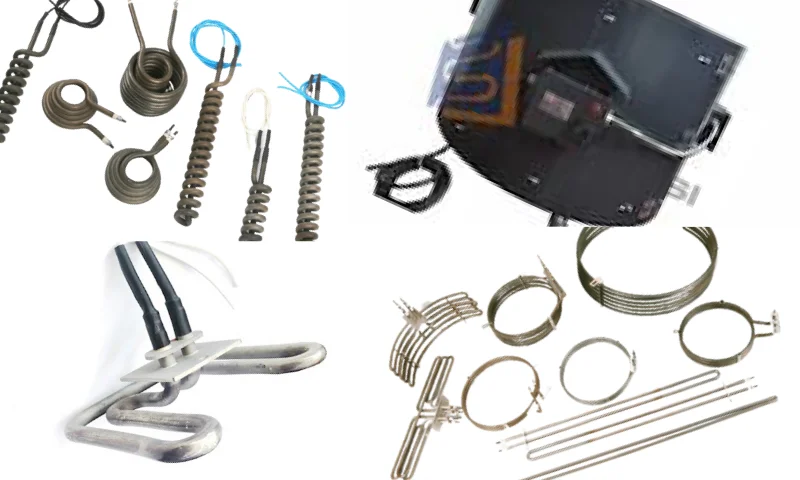
The types of dry heaters include: Electric convector heaters, which work by heating the air around the space using airflow and offer an energy-efficient option; Infrared heaters, which direct heat directly to objects and people, providing rapid heating with less energy consumption; Radiator electric heaters, equipped with metal fins, filled with oil or water, powered by electricity, and providing a homogeneous heat distribution; Ceramic fan heaters, which heat up quickly and safely thanks to ceramic plates, often saving energy with automatic shut-off features; Air conditioning systems, which can perform both cooling and heating functions; Stoves and fireplaces, which fill spaces with a relaxing atmosphere as a natural heat source; and Gas radiators, which operate with natural gas or LPG. For detailed information, to view our product range, and to place your orders, please visit our website at https://www.bymrezistans.com.tr/urun-gruplarimiz/borulu-rezistanslar.
What Does a Dry Heater Do?
Dry heaters are popular heating systems in homes and workplaces, but they can have high energy consumption, uneven heat distribution, negatively affect air quality, cause a lack of humidity, pose safety risks, and raise aesthetic concerns. However, these issues can be overcome with the right usage and selection. Therefore, it is important to choose dry heater models with high energy efficiency. Additionally, a more comfortable environment can be provided by selecting a device with a power appropriate for the room size and by correct placement to ensure balanced heat distribution. To maintain air quality and humidity balance, regular ventilation and the use of a humidifier when necessary are required. This way, both energy savings are achieved, and a healthier and more aesthetically pleasing atmosphere is obtained in living spaces. A dry heater is a device used to increase the temperature of a space and reduce humidity. It is generally preferred in homes, offices, and workplaces to provide a comfortable and healthy living space. In winter months, due to cold weather conditions, the temperature indoors can drop, and the humidity level can rise, leading to dampness. In such cases, the dry heater comes into play and converts the moisture in the environment into energy. This results in both a more comfortable living space and energy savings. Furthermore, dry heaters are also very effective in speeding up the laundry drying process.





