
How Should Theater Education Be Conducted?
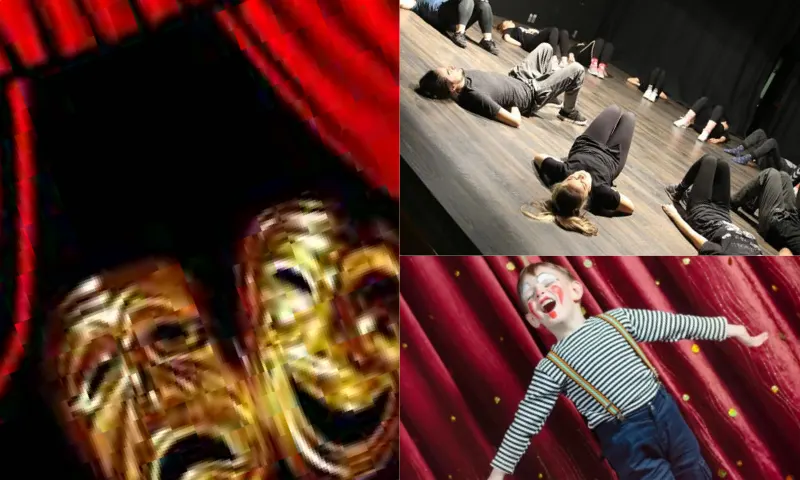
Theater Education: Development Through Individual and Group Work
The first answer to the question "How should theater education be conducted?" is the proper teaching of fundamental techniques. You can visit https://algiakademi.com.tr/tiyatro-egitimi/ for more information about theater education. Theater is not just about playing a role on stage, but also includes many skills such as body language, voice usage, facial expressions, and emotional expression. During the education process, students get used to the stage through improvisation games and various role-playing exercises. This phase is important for increasing self-confidence, controlling nervousness, and portraying characters naturally. As fundamental techniques are learned, students can deliver more effective and controlled performances on stage.
Theater Education: Stage Experience and Creative Expression
The second answer to the question "How should theater education be conducted?" is supporting practice through both individual and group work. Group work allows students to learn to move together, develop team spirit, and perform harmoniously on stage. Individual work also helps strengthen personal skills such as character analysis, voice, and body usage. Through regular rehearsals and feedback, students see their mistakes and improve their performances. This combination offers a balanced educational process in both technical and artistic aspects. The third answer to the question "How should theater education be conducted?" is to provide stage experience and support creative expression. Mini-performances, exhibitions, and end-of-year shows organized during the education process allow students to put what they have learned into practice. Furthermore, portraying different characters and working on various scenarios enhances students' imagination and creativity. Stage experience increases not only technical skill but also self-confidence and communication ability. Thus, theater education becomes a comprehensive process that supports both artistic and personal development.





