
How Do Interior Designers Apply Modern Trends?
How Do Interior Designers Coordinate the Design-Implementation Process?
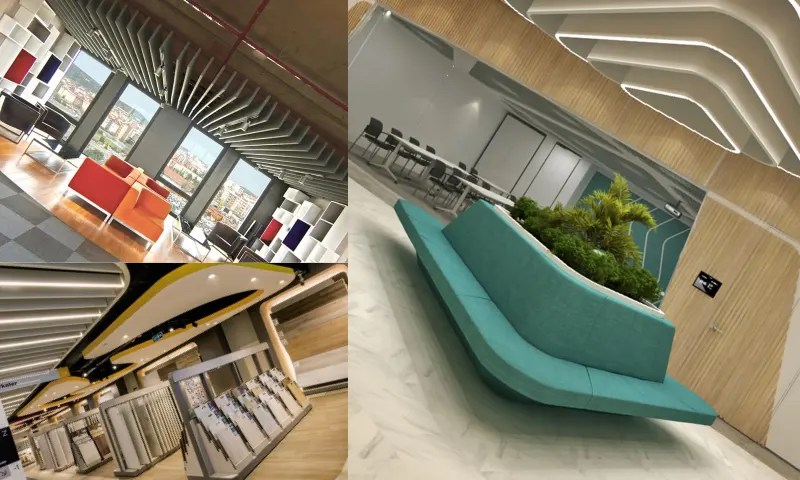
Interior Designers apply modern trends by harmonizing clean lines, natural materials, and details reflecting the spirit of the times with the space. The foundation of modern design lies in clean forms, balanced surfaces, and an approach that prioritizes functionality. Interior Designers first determine the needs of the space and create a design language consistent with the modern understanding. Light colors, natural tones, and simple surfaces are indispensable elements of modern trends. Lighting is a component that strengthens the character of modern design; hidden lighting applications, linear fixtures, and soft light transitions complete the modern identity of the space. For detailed information about Interior Designers, you can visit the web address https://osomimarlik.com/en/interior-architecture-office/.
How Do Interior Designers Balance Aesthetics and Functionality?
Interior Designers coordinate the design and implementation process by establishing a control mechanism that preserves the integrity of the project. All details determined during the design phase must be correctly implemented on-site. Interior Designers first create the foundation of the process by preparing technical drawings and implementation plans. These plans ensure the correct guidance of the implementation team. Every action taken on-site is compared with the design documents. Measurement checks, material verifications, and installation stages are critical parts of this process. Interior Designers quickly resolve issues that may arise during implementation. Sometimes, situations like differences in wall structure, irregularities in floor level, or plumbing incompatibility can occur. While balancing aesthetics and functionality, Interior Designers aim for the space to be both visually impactful and practical in use. Although aesthetics is a value that forms the identity of the design, it is not sufficient on its own; the space must offer convenience to the user. Therefore, Interior Designers start by analyzing the function of the space. Proper storage solutions, balanced furniture arrangements, and organized flow are the core components of functionality. Aesthetics, on the other hand, is achieved through the unity of color, material, and form.





