
Materials and Equipment Needed to Make Your Own Perfume
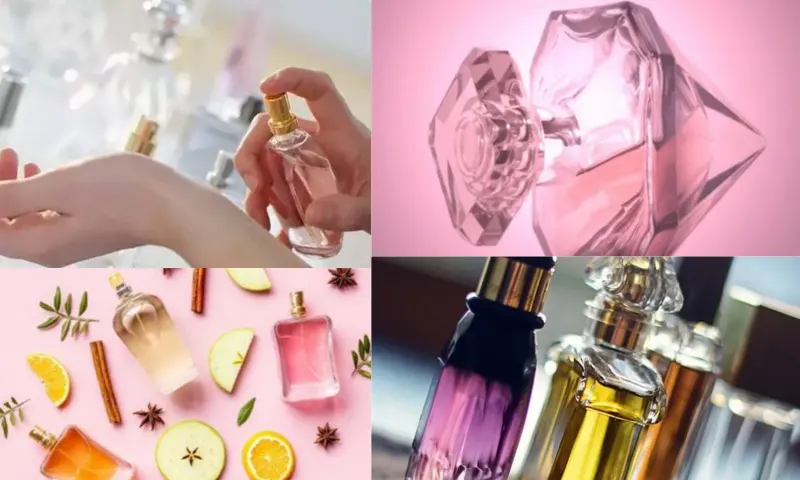
Making your own perfume can be a creative hobby as well as a way to create a personal scent. The first step in this process is to obtain the necessary materials and equipment. Basic ingredients include perfume base liquid, essential oils, and alcohol. The perfume base liquid is the main carrier of your perfume, and carrier oils such as jojoba oil or sweet almond oil are generally used. These oils help the essential oils blend better with your skin. Alcohol is used to increase the longevity of your perfume, and high-quality vodka or ethanol is usually preferred. Essential oils are the main components that will determine the character of your perfume. By using essential oils with various notes (top, middle, and base notes), you can create a balanced and rich perfume. Top notes create the initial scent of the perfume, middle notes form the heart of the perfume, and base notes provide longevity. You can create different combinations by experimenting with various essential oils such as lavender, rose, sandalwood, vanilla, and citrus. Equipment such as pipettes, bottles, mixing bowls, and an eyedropper are also required for perfume making. Pipettes allow for the correct amount of essential oils and alcohol to be added. Mixing bowls are used to mix the oils and alcohol, and a perfume bottle is ideal for storing the final mixture. Working in a clean and sterile environment can affect the quality and scent of your perfume, so make sure all your equipment is clean. You can look at the relevant online companies on internet pages to get information on this subject and ask your questions, and examine them in detail from here.
Perfume Formulation and Essential Oil Combinations
When creating your own perfume, finding the right formulation and combining essential oils correctly is important. Perfume making requires balancing top, middle, and base notes. Top notes are the scents perceived at the first moment of the perfume and usually consist of light and volatile oils. Citrus essences (lemon, orange) or oils like mint are among the top notes and provide a fresh start to the perfume. Middle notes form the heart of the perfume and usually consist of floral or spicy essences. Essences such as rose, jasmine, cinnamon, and clove define the character of your perfume and leave a lasting impression. Base notes form the foundation of the perfume and usually contain woody or sweet essences. Oils such as sandalwood, vanilla, musk, and patchouli ensure your perfume lasts a long time and adds depth. When creating your perfume, it is important to find the right balance by adding and mixing essential oils in small amounts. The density and scent profiles of the oils can vary, so you can develop a formula that suits your personal preference through experimentation. When mixing essential oils, you should consider how long each note will last and how it will interact with other notes.
Tips for Storing and Using Your Perfume
After making your perfume, proper storage and usage methods are important to preserve its quality and lifespan. When storing your perfume, you should keep it away from direct sunlight and humidity. Perfume can degrade due to UV rays and moisture, so it is best to store it in dark glass bottles in cool, dry places. Also, using bottles with tight lids to reduce your perfume's contact with air will be beneficial. When using your perfume, ensure your skin is clean and dry. Applying perfume to pulse points, typically wrists, neck, and behind the ears, allows the scent to last longer. Avoid spraying perfume directly on clothes, as some perfumes can leave permanent stains on fabrics. Additionally, applying moisturizer to your skin before applying perfume can increase its longevity. Finally, regularly stirring and gently shaking the bottle is a good practice to maintain the quality and scent of your perfume. This ensures that the essential oils and alcohol are evenly mixed and helps to keep the scent of your perfume balanced. By using your perfume regularly and applying proper storage methods, you can enjoy your homemade perfume for a long time. Making your own perfume offers both a creative process and personal pleasure. You can have a successful perfume-making process by starting with basic materials and equipment, learning the right formulation and essential oil combinations, and applying the correct storage methods.





